Skip to content TESTIMONIALS

Chiropractic Care Provides Pain Relief — And Much More

Understanding Chiropractic Care

Chiropractic care focuses on improving the function and alignment of the spine and nervous system. The spine is more than a structural support system for the body — it also protects the spinal cord, which is part of the central nervous system. Because the nervous system controls and coordinates every function in the body, healthy spinal movement and alignment are important for overall body function and well-being.

Chiropractic treatment consists of gentle spinal adjustments designed to improve spinal alignment and restore normal joint movement. When spinal joints lose proper motion or alignment, irritation and stress may affect nearby muscles, ligaments, joints, and nerves. This can contribute to pain, stiffness, tension, restricted movement, and decreased physical function.

Gentle chiropractic adjustments help reduce abnormal stress on the spine and nervous system, allowing the body to function more efficiently. Many patients notice improvements in comfort, mobility, posture, flexibility, balance, and overall quality of life.

Chiropractic care may help:

  • Relieve pain, stiffness, and discomfort
  • Improve spinal movement and flexibility
  • Reduce muscle tension and joint stress
  • Support better posture and balance
  • Improve nervous system function
  • Promote the body’s natural healing ability
  • Support better overall health potential

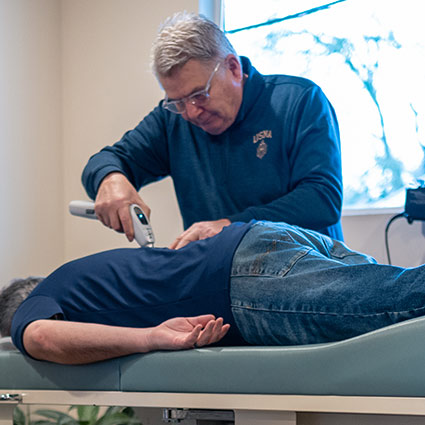
Dr. Handly uses a gentle chiropractic technique with no twisting, cracking, or popping. Care is focused on restoring function comfortably and safely while helping the body adapt and stabilize naturally.

The Nervous System and Your Health

Your nervous system includes the brain, spinal cord, and nerves. It controls and coordinates virtually every function in your body, including:

  • Muscle movement
  • Balance and coordination
  • Organ function
  • Breathing
  • Digestion
  • Circulation
  • Sleep
  • Energy levels
  • Healing and repair processes

The spine plays a critical role because it protects the spinal cord and allows nerves to communicate between the brain and body. When spinal function is impaired, communication between the brain and body may become less efficient. This can contribute to discomfort, tension, reduced mobility, and other health-related problems.

Healthy spinal movement supports healthy nervous system function, which helps the body adapt to daily physical, mental, and environmental stress.

Stress Affects the Body

Stress affects everyone. Physical, mental, and chemical stress can overload the nervous system and interfere with normal body function.

Over time, stress can contribute to spinal dysfunction, muscle tightness, joint restriction, tension, inflammation, and postural imbalance. These changes may place abnormal pressure on the joints, muscles, and nerves of the body.

Physical Stress

Physical stress includes:

  • Poor posture
  • Sitting too long
  • Repetitive movements
  • Lifting injuries
  • Falls or accidents
  • Sports injuries
  • Lack of exercise
  • Sleeping in poor positions

These stresses can gradually affect spinal alignment and joint movement, leading to discomfort and reduced mobility.

Mental and Emotional Stress

Mental and emotional stress may cause muscles to tighten and the body to remain in a prolonged “stress response” state. This can increase tension in the neck, shoulders, back, and jaw and may contribute to headaches, fatigue, poor sleep, and overall body tension.

Chemical Stress

Chemical stress can include:

  • Poor nutrition
  • Dehydration
  • Smoking
  • Excess sugar
  • Alcohol
  • Medications
  • Environmental toxins

These factors may interfere with the body’s ability to heal and function efficiently.

Common Problems Associated With Spinal Dysfunction

When spinal joints are not functioning properly, patients may experience symptoms such as:

  • Neck pain and stiffness
  • Back pain
  • Headaches
  • Shoulder tension
  • Hip discomfort
  • Arm or leg discomfort
  • Muscle tightness
  • Reduced flexibility
  • Postural imbalance
  • Fatigue
  • Restricted movement

Some people may also notice decreased physical performance, stress-related tension, or a general feeling that their body is not functioning at its best.

Because the nervous system influences the entire body, spinal dysfunction may affect more than just pain or movement.

The Goal of Chiropractic Care

The goal of chiropractic care is not simply to reduce symptoms. Chiropractic care also focuses on improving spinal function, nervous system balance, posture, movement, and the body’s ability to adapt and heal naturally.

As spinal function improves, many patients experience:

  • Better movement
  • Reduced tension
  • Improved comfort
  • Better posture
  • Increased flexibility
  • Improved daily function
  • Better ability to handle stress

Healing and stabilization often occur gradually over time. Consistency with care is important because the body may need time to correct long-standing patterns of tension and dysfunction.

Supporting Your Recovery

When your spine and nervous system function better, your body is better able to heal, repair, and stabilize itself naturally.

However, ongoing physical, mental, and chemical stress can slow recovery and interfere with progress. Following healthy habits between visits can help improve results and support healing.

Recommendations to Support Healing

Practice Breathing and Cross-Crawl Exercises

The recommended breathing and cross-crawl exercises may help reduce stress patterns in the body and support better nervous system balance, coordination, and relaxation.

Drink Plenty of Water

Hydration supports muscle function, circulation, joint health, and recovery after adjustments.

Avoid Strenuous Activity After Adjustments

Heavy lifting, strenuous exercise, or excessive physical stress immediately after an adjustment may interfere with the body’s ability to stabilize and adapt.

Maintain Good Posture

Good posture reduces unnecessary stress on the spine and nervous system. Helpful habits include:

  • Keeping computer and TV screens at eye level
  • Avoiding slouching
  • Using supportive seating
  • Taking breaks from prolonged sitting
  • Sleeping in supportive positions

Be Consistent With Care

Consistent visits help maintain progress and support correction and stabilization over time. Healing is often a process, especially when problems have developed gradually over many years.

Give Your Body Time to Adapt

As spinal function improves, the body needs time to adjust to healthier movement patterns and nervous system function. Patience and consistency are important parts of recovery.

Maintenance and Wellness Care

Many people seek chiropractic care only when they are in pain. However, once improvement occurs, regular spinal checkups may help maintain healthy spinal function and nervous system balance.

This is similar to regular dental checkups. Most people understand the importance of caring for their teeth before major problems develop. Waiting until severe pain occurs is not always the best approach for maintaining health.

Your spine protects the brain and spinal cord, which are essential to the body’s overall function. Regular spinal evaluations may help identify areas of stress, tension, or dysfunction before they become more serious.

Maintenance care may help support:

  • Better spinal function
  • Improved posture
  • Reduced stress on joints and muscles
  • Better flexibility and mobility
  • Nervous system balance
  • Long-term physical function
  • Overall wellness potential

The frequency of maintenance visits depends on factors such as:

  • Work activities
  • Lifestyle habits
  • Stress levels
  • Posture
  • Previous injuries
  • Exercise habits
  • Daily physical demands

People with physically demanding jobs, repetitive activities, high stress levels, or previous spinal problems may benefit from more frequent checkups.

A Gentle Approach to Better Function and Health

Chiropractic care is designed to help the body function better by improving spinal movement, reducing stress on the nervous system, and supporting the body’s natural ability to heal and adapt.

Dr. Handly provides gentle chiropractic care with no twisting, cracking, or popping. Care is individualized to help patients improve comfort, movement, posture, and overall function while supporting long-term spinal health and wellness.


Get Started Today

Whether you’re dealing with ongoing discomfort or simply want a more natural path toward better function, we’re here to help. Contact us today to schedule your first visit and find out if chiropractic is right for you.

CONTACT US


Chiropractic Care | (425) 255-6202